Licence and player protection
Pink Casino licence and safety: UKGC status explained
 Available in GB
Pink Casino is operated by LeoVegas Gaming PLC. For customers in Great Britain, the key regulatory check is the Gambling Commission register: LeoVegas Gaming PLC holds an active Casino Remote licence under UKGC account number 39198, and the register lists pinkcasino.co.uk as an active domain. That is the strongest available answer to the question “is Pink Casino legit?” because it links the brand’s UK-facing domain to a currently licensed operator rather than relying on marketing copy or third-party badges.
An active UKGC licence does not make gambling risk-free, guarantee that every customer dispute will be resolved in a player’s favour or remove the need to check terms. It does mean the operator is within the Great Britain remote-gambling regulatory framework and is subject to licence conditions and consumer-protection requirements. The practical value is therefore verification and accountability, not a blanket promise of safety.

Table of Contents
- Who operates Pink Casino in Great Britain?
- What an active UKGC remote casino licence actually means
- Why account verification and withdrawal checks still matter
- Safer-gambling controls and GAMSTOP context
- Great Britain online-slot stake limits at Pink Casino
- What the licence does not prove
- How to assess Pink Casino beyond the licence badge
- What the UKGC licence means when assessing Pink Casino
Who operates Pink Casino in Great Britain?
The operator listed for Pink Casino is LeoVegas Gaming PLC. This matters because the legal operator, rather than the casino brand name alone, is the entity that appears in the regulator’s business register. A reader checking Pink Casino should therefore look for the operator name and account number, then confirm that the relevant domain appears under that business.
The UKGC public register currently shows account 39198 for LeoVegas Gaming PLC. Its licence summary lists Casino Remote status as Active and Current. The same register’s domain list includes pinkcasino.co.uk as Active. Taken together, those records provide a direct regulatory chain from the Pink Casino domain to the licensed operator.
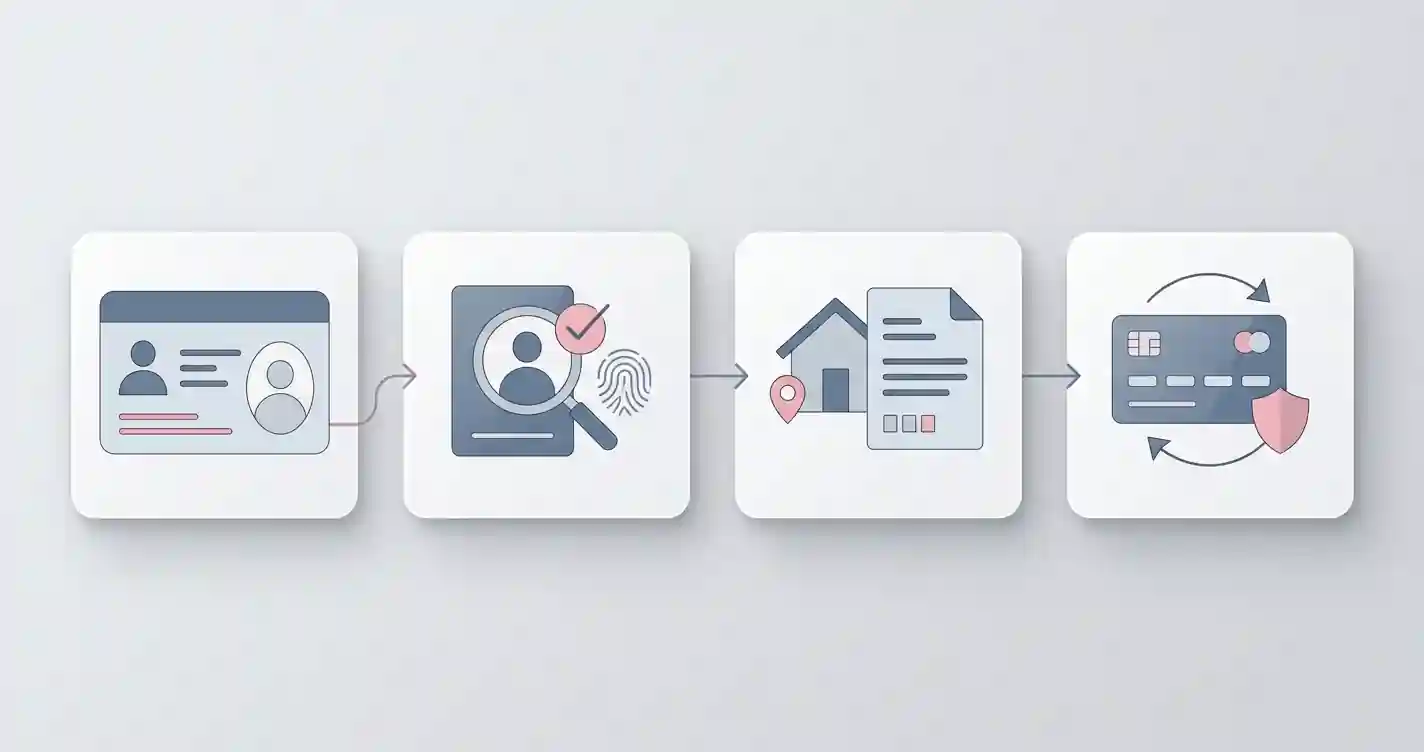
A practical verification sequence
- Identify the legal operator behind the brand.
- Check the operator in the Gambling Commission public register.
- Confirm the remote casino activity is active.
- Check that the casino domain appears in the operator’s domain list.
This approach is more useful than simply looking for a UKGC logo in a footer. Logos can be copied or presented without enough context. A live regulator record is the better evidence because it lets you match the operator, account and domain. For a broader overview of the brand beyond regulation, see the Pink Casino review.
What an active UKGC remote casino licence actually means
The Gambling Commission requires businesses that provide remote gambling to consumers in Great Britain to hold the appropriate licence. Remote casino licensing therefore establishes that the operator is authorised within this regulatory framework for online casino activity. It also places the business under the Commission’s licence conditions and compliance regime.
For a player evaluating Pink Casino, the useful interpretation is narrower than “safe”. The licence confirms regulated status and creates a framework around how the operator must conduct remote gambling. It does not mean that individual games cannot produce losses, that withdrawals will never require checks or that every complaint will end with the result a player wants.
This distinction is important because casino risk has two separate dimensions. Regulatory risk concerns whether the operator is properly licensed and accountable to the relevant authority. Gambling risk concerns the possibility of losing money through play. A UKGC licence addresses the first dimension; it does not eliminate the second.
Why account verification and withdrawal checks still matter
Regulated status should not be confused with frictionless account use. Identity, eligibility and source-of-payment checks can still form part of the customer journey. That is why the site’s verification guidance is relevant when assessing the practical experience, and why the withdrawal checks page treats verification separately from payment-method availability.
A licence tells you who is responsible for the gambling service and which regulator oversees the licensed activity. It does not replace the operator’s own account controls or the customer’s obligation to provide accurate information. From a decision-making perspective, this is a reason to complete registration details carefully and to avoid assuming that a successful deposit guarantees an immediate withdrawal without any review.
Payment choice is another separate issue. The regulatory status of Pink Casino does not prove that every banking method will suit every customer or that processing conditions are identical across methods. Those details belong in the dedicated payments guide rather than being inferred from the licence alone.
Safer-gambling controls and GAMSTOP context
Pink Casino provides safer-gambling tools that include financial limits and self-exclusion. These controls give customers practical ways to restrict access or spending rather than relying only on decisions made after play has already become difficult to manage.
For a practical licence check, match three things rather than relying on a badge alone: the named operator, the regulator account, and the domain attached to that operator record. That approach helps separate a current regulatory record from marketing language and makes the check repeatable when you revisit the site later.
At market level, GAMSTOP ONLINE provides multi-operator self-exclusion across online gambling businesses licensed in Great Britain. This is different from a single-site control: a GAMSTOP exclusion is designed to apply across participating licensed operators rather than only to one account. For someone who needs a wider break from online gambling, that distinction is significant.
Safer-gambling tools should be treated as controls, not as a sign that gambling has become harmless. Setting a financial limit can reduce exposure, and self-exclusion can block access, but neither changes the underlying chance of losing money while gambling. The most useful way to read these features is as part of the operator’s player-protection framework.
Great Britain online-slot stake limits at Pink Casino
One concrete regulatory rule that affects casino play is the Great Britain online-slot stake cap. Licensed online slots are capped at £5 per game cycle for customers aged 25 or over and £2 per game cycle for customers aged 18 to 24. The Gambling Commission guidance makes clear that these limits apply to online slots and not to other casino games such as roulette or blackjack.
This is useful context when comparing the regulated game categories available on a UK-facing casino. It shows that product rules can differ by game type and by age band. A player should therefore avoid treating one visible stake limit as a universal casino-wide maximum.
The presence of statutory slot limits also illustrates why a brand-specific licence check matters. The rule is attached to remote casino operating licences, so confirming the operator’s active remote casino status provides the regulatory context for why these limits apply to its UK online-slot offering.
What the licence does not prove
It is reasonable to use the UKGC register as a trust check, but several conclusions would go beyond what the evidence supports. The record does not justify an absolute statement that Pink Casino is “completely safe” or that there is “zero risk”. It also does not prove that a particular withdrawal will be approved instantly, that a dispute outcome is predetermined or that every promotion will suit every player.
These limits on interpretation are not weaknesses in the regulator record. They simply reflect what a licence is designed to establish: the identity and regulatory status of the gambling business. Product suitability, payment experience and personal risk tolerance still need to be assessed separately.
A useful review therefore combines different evidence layers. Use the licence register for operator and regulatory status, the payment safeguards material for banking context, the account page for verification expectations, and the main review for the wider product picture. Keeping those questions separate reduces the chance of turning one verified fact into several unsupported assumptions.
How to assess Pink Casino beyond the licence badge
Start with the regulator record, but do not stop there. Check that the operator name, account number and domain still match. Then consider whether the site’s game mix, payment options, account requirements and safer-gambling controls fit what you actually need. A licence is a baseline regulatory verification, not a recommendation to gamble or a substitute for reading relevant terms.
For players who do choose to gamble, the strongest practical habits are simple: set a budget before play, use available financial limits, avoid chasing losses and use self-exclusion if gambling stops feeling controlled. If wider exclusion is needed, GAMSTOP provides the multi-operator route for businesses licensed in Great Britain.
That layered approach gives the licence the right weight. It is important evidence, but it works best as one part of a broader assessment rather than as a marketing shortcut.
What the UKGC licence means when assessing Pink Casino
The central finding is specific: Pink Casino’s UK-facing domain is currently linked in the Gambling Commission register to LeoVegas Gaming PLC, account 39198, whose Casino Remote licence is active. That provides direct regulator-backed evidence of the operator’s Great Britain licensing status.
For a reader deciding whether Pink Casino is a legitimate UK-facing casino, that is the key trust check. It confirms regulated operator identity and the applicable remote-casino framework, while leaving separate questions such as payment suitability, verification steps and gambling risk to their own evidence. Treat the licence as proof of regulated status – not as a guarantee of outcomes.
Prepared by the Pink Casino editorial staff.